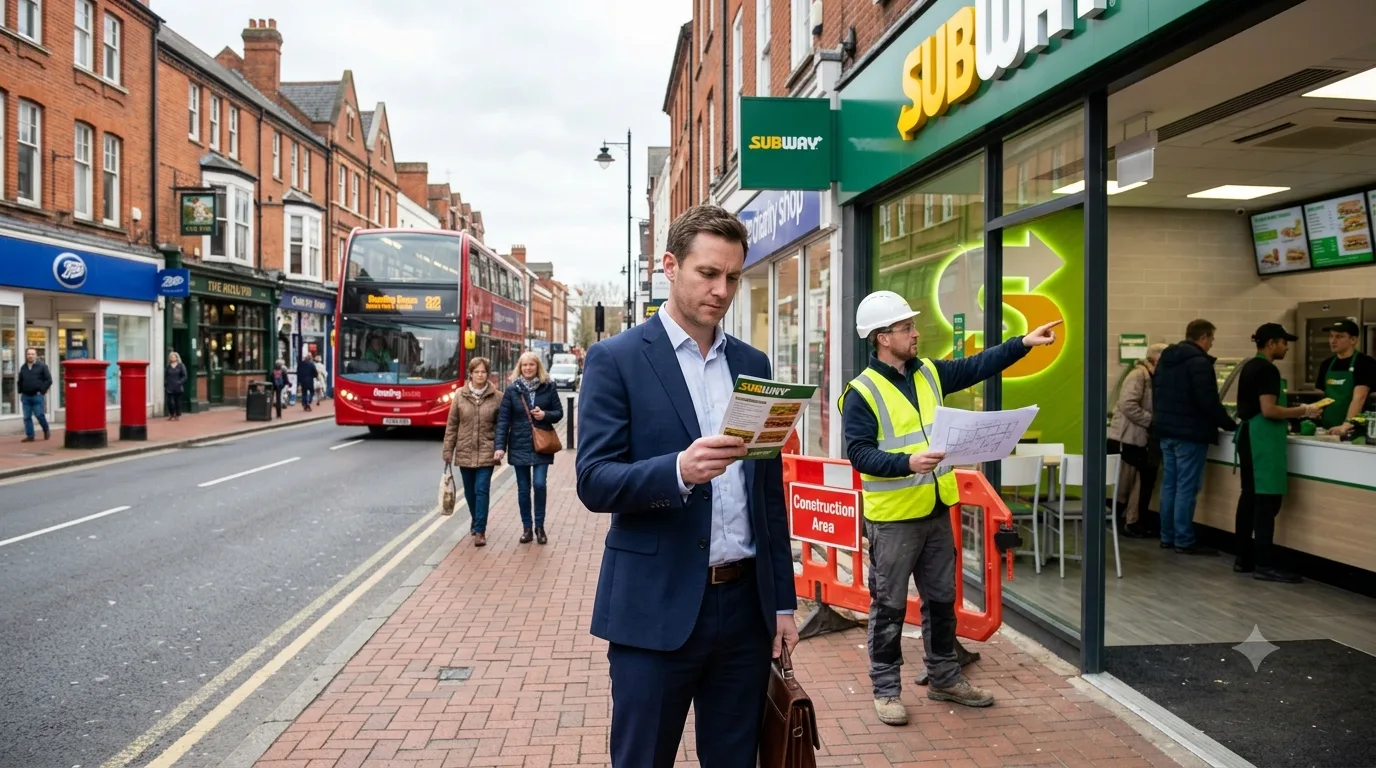
Subway Franchise Cost UK: What to Budget For?

Opening a Subway restaurant can offer a more accessible route into branded quick-service food than some larger restaurant franchises, but the headline franchise fee tells only a small part of the story.
The Subway franchise cost UK investors should budget for includes the franchise licence, premises, construction, equipment, professional fees, opening stock and enough working capital to cover the early trading period.
Property condition and location can move the final investment substantially.There is also an important complication for anyone researching the opportunity in 2026: Subway’s own UK pages do not currently quote exactly the same figures.
A Subway article published in May 2026 puts total investment at approximately £85,000 to £220,000, with a £13,000 franchise fee.
Its dedicated UK cost page also states a £13,000 franchise fee, while the current FAQ page quotes £15,000 and says a new restaurant starts at around £180,000.
For that reason, prospective franchisees should treat online figures as budgeting guidance and obtain the latest written cost schedule directly from Subway before committing funds.
How Much Should You Budget for a Subway Franchise in the UK?
A sensible budget needs to look beyond the entry fee. Subway requires prospective franchisees, as a rule of thumb, to demonstrate £150,000 net worth and £100,000 in liquid assets.
Independent UK franchise-cost estimates provide more detail on where the investment may go. These individual amounts are useful planning ranges rather than guaranteed Subway quotations because construction, property and supplier costs depend heavily on the restaurant.
| Cost area | Working budget estimate | What it covers |
| Franchise fee | Around £13,000 | Licence to operate under the Subway system; confirm current figure |
| Store design and build-out | £40,000–£100,000+ | Construction, flooring, counters, electrics, plumbing and branded fit-out |
| Equipment package | £30,000–£50,000 | Ovens, refrigeration, food-preparation equipment and EPOS |
| Professional and legal costs | £3,000–£7,000 | Franchise solicitor, lease advice, accountant, surveyor and related services |
| Initial stock | £5,000–£8,000 | Food, drinks, packaging and opening supplies |
| Working capital | £15,000–£25,000 | Early wages, utilities, rent and other operating expenses |
| Property costs | Highly variable | Deposit, rent, business rates and landlord requirements |
The granular ranges above are third-party planning estimates and should not be mistaken for a formal quotation from Subway.
The biggest variables are normally the premises and fit-out. Taking over a suitable former food outlet could reduce conversion work, whereas a shell unit, difficult planning conditions or a premium urban location could push the project considerably higher.
Why Do Different Sources Quote Different Subway Franchise Fees?
This is one area where prospective owners need to be particularly careful.
Some third-party franchise publications have previously quoted figures such as £12,500, while Subway’s current UK information contains both £13,000 and £15,000 figures.
The newer May 2026 Subway article states £13,000, so that is a reasonable working figure when preparing an initial budget. It should not, however, replace the figure stated in the franchise documents provided to an applicant.
The same problem applies to total investment. Current Subway material variously describes investment as approximately £85,000–£220,000, starting around £150,000, or starting around £180,000.
This makes direct confirmation especially important before arranging finance.
Comparing franchise opportunities? Keep a simple record of total investment, required liquid capital, recurring fees and property obligations for every brand you consider. Comparing the full financial commitment is far more useful than comparing franchise fees alone.
Where Does the Initial Investment Actually Go?
The franchise fee is relatively small compared with the physical cost of getting a restaurant ready to trade.
Property and Restaurant Fit-Out
Rent levels, lease deposits and construction requirements differ substantially between a small regional unit and a central London restaurant.
A new site may require electrical work, ventilation, plumbing, flooring, customer seating, counters, signage and other alterations before equipment can be installed.
Subway has also been rolling out its Fresh Forward 2.0 restaurant design. The updated concept builds on the original Fresh Forward format and incorporates refreshed interiors, lighting and greater support for digital ordering technology.
Anyone buying an older restaurant should therefore establish whether a refurbishment is due and include the potential cost in the acquisition calculation.
Equipment and Supply Chain
Subway restaurants require standardised food-preparation, refrigeration, cooking and point-of-sale equipment.
One operational advantage of joining a large franchise network is collective purchasing. Subway works with IPC Europe, an independent non-profit purchasing organisation supported by franchise partners.
IPC negotiates purchasing arrangements and manages supply channels for Subway-approved goods across Europe.
Scale can help make equipment and purchasing packages competitive, although franchisees still need to assess individual supplier costs and replacement obligations.
Working Capital
Working capital deserves particular attention.
A new restaurant can have wages, rent, utility bills, insurance, stock purchases and other expenses before sales reach their expected level. Keeping a cash reserve reduces the risk of using short-term borrowing simply to fund everyday operations.
The appropriate reserve depends on the lease, workforce and projected sales, so a three-to-six-month cash-flow forecast is more useful than choosing an arbitrary lump sum.
What Ongoing Fees Does a Subway Franchise Pay?
Opening the restaurant is only the first financial hurdle.
Subway currently quotes an 8% royalty fee together with a 4.5% advertising and marketing contribution.
That creates a combined brand-related charge equivalent to 12.5% of applicable turnover before normal operating expenses.
A restaurant must still cover:
- Food and packaging
- Employee wages and pensions
- Rent and business rates
- Utilities
- Insurance
- Repairs and equipment maintenance
- Local operating expenses
- Finance repayments
- Delivery or technology-related costs where applicable
This is why turnover should never be treated as profit.
Subway’s own 2026 earnings material illustrates how strongly profitability depends on sales and site economics. I
t says a mid-performing UK restaurant can generate roughly £350,000–£550,000 annual revenue, while high-footfall locations can exceed £700,000 and weaker locations may fall below £300,000. Subway expressly presents profitability calculations as illustrative rather than guaranteed.
That is a more useful framework than assuming every restaurant achieves the same margin or break-even date.
New Subway Restaurant or Existing Franchise?
Prospective franchisees effectively have two routes into the network develop a new restaurant or acquire an existing one.
They involve different risks.
| Factor | New restaurant | Existing Subway |
| Customer base | Must be built | Existing trading history may already exist |
| Staff | Recruit and train a new team | Existing trained employees may remain |
| Sales evidence | Based largely on forecasts | Historical sales can be reviewed |
| Site choice | Greater freedom within approved opportunities | Limited to restaurants available for sale |
| Fit-out | New development costs | May require refurbishment |
| Opening time | Usually longer | Potentially faster |
| Purchase price | Based on development costs | Negotiated directly with seller |
| Subway approval | Required | Required for buyer and transfer |
Subway does not set the purchase price when an existing restaurant is sold. The buyer and seller negotiate the commercial terms, while Subway must approve the transfer.
An established location can therefore reduce some start-up uncertainty, but buyers need to investigate why it is being sold.
Sales history, rent reviews, local competition, staffing, equipment condition and upcoming refurbishment requirements should all be considered before agreeing a price.
How Much of Your Own Money Will You Need?
The most important official financial qualification remains Subway’s expectation of approximately £100,000 in liquid assets and £150,000 net worth.
Separate franchise-finance guidance suggests investors often contribute around 25%–40% of a project from their own funds, with borrowing potentially covering roughly 50%–70% depending on the borrower, lender and proposal. Other estimates place required personal funding higher.
These percentages should be treated as financing benchmarks rather than Subway lending rules.
A lender is likely to examine:
- Personal credit history
- Existing debts
- Amount being invested personally
- Proposed location
- Lease terms
- Sales forecasts
- Cash-flow projections
- Management experience
- Contingency funding
The fact that a lender is prepared to finance part of the project does not necessarily mean the project is financially comfortable. Debt repayments need to remain manageable if early sales are below forecast.
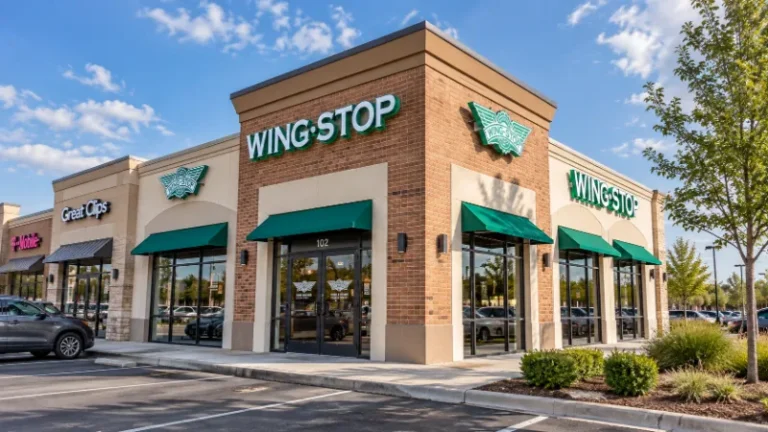
Investors comparing the funding requirements with a substantially larger operation can also look at the McDonald’s franchise cost, while Wingstop franchise costs provide another useful QSR benchmark.
How Long Does It Take to Open a Subway?
There are two different Subway timelines online, but they can be reconciled.
One of Subway’s 2026 articles describes the process from enquiry to opening as typically three to six months, with site selection being the biggest variable. An existing restaurant transfer can potentially be faster.
The official FAQ, however, says development of a restaurant location typically takes six to twelve months, depending on whether the project involves a new build, acquisition or remodel, together with permits and construction requirements.
A practical way to budget time is therefore:
3–6 months may be achievable once the opportunity and site are sufficiently advanced, while 6–12 months is safer for a full process that includes locating and developing premises from scratch.
Lease negotiations, planning approval, construction delays and financing can extend either timeline.
Who Is Subway Franchise Ownership Best Suited To?
Restaurant experience is not necessarily the deciding factor.
Subway describes franchise owners coming from varied professional backgrounds, including teachers, accountants, engineers, retail managers and former military personnel.
What matters more is the ability to operate within a structured system and manage people, finances and day-to-day performance.
A stronger prospective owner is likely to be someone who:
- Wants an actively managed business rather than a passive investment
- Can work within established operational standards
- Is comfortable managing and motivating employees
- Understands basic financial controls and cash flow
- Has sufficient capital without exhausting personal reserves
- Can respond to changing local sales patterns
- Is willing to learn the restaurant operation personally
Subway’s own earnings material also emphasises that multi-unit operators typically build experience through their first restaurant rather than treating the first site as an immediately hands-off investment.
Why Site Selection Matters More Than the Headline Franchise Fee?
The UK quick-service restaurant market is substantial, but size alone does not make individual locations successful.
Mordor Intelligence estimates the UK QSR market at approximately US$37.64 billion in 2026, forecasting it to reach US$48.56 billion by 2031 at a 5.23% compound annual growth rate.
Competition is equally significant.
A Subway site must compete not just with other sandwich shops but with coffee chains, bakeries, burger businesses, supermarkets, delivery-led concepts and other fast-food operators.
A viable site therefore needs enough demand to support its rent and operating structure.
Subway says its location assessment focuses heavily on traffic, accessibility and visibility and uses market-mapping tools alongside local knowledge.
Prospective operators should still perform their own due diligence. Footfall at lunchtime, evenings and weekends can differ dramatically, even between neighbouring streets.
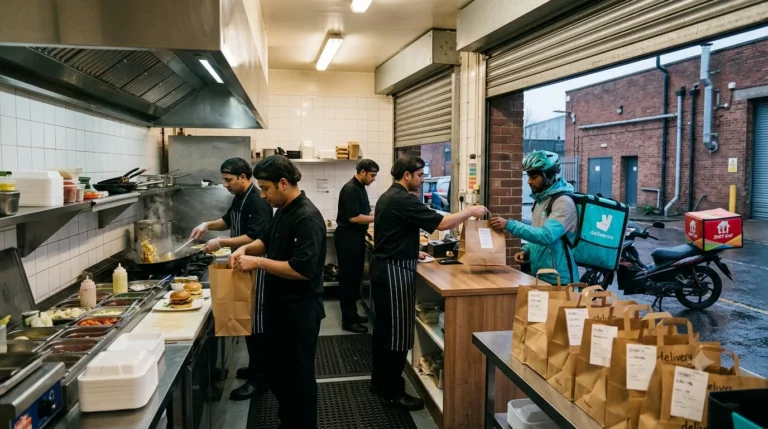
For comparison, the economics of a delivery-heavy model such as Domino’s franchise investment can look very different from a walk-in-led sandwich restaurant.
What Training and Operational Support Is Included?
All new Subway franchise partners undertake a three-week training programme, including two intensive weeks in a regional certified training restaurant.
Subway also provides access to its London training centre and the University of SUBWAY e-learning system. Opening support can include assistance with employee induction and restaurant launch operations.
Support also extends into property development and standardised supply arrangements.
That infrastructure is one reason a franchise can be easier to establish operationally than creating a completely independent restaurant brand.
The trade-off is reduced freedom franchisees must follow the brand’s specifications and continue paying royalty and marketing charges.
Investors considering a different food-retail format can also compare the numbers with the Cake Box franchise cost or the structure of a Greggs franchise arrangement.
What Should You Check Before Investing?
The cost estimate should be the beginning of due diligence rather than the final decision.
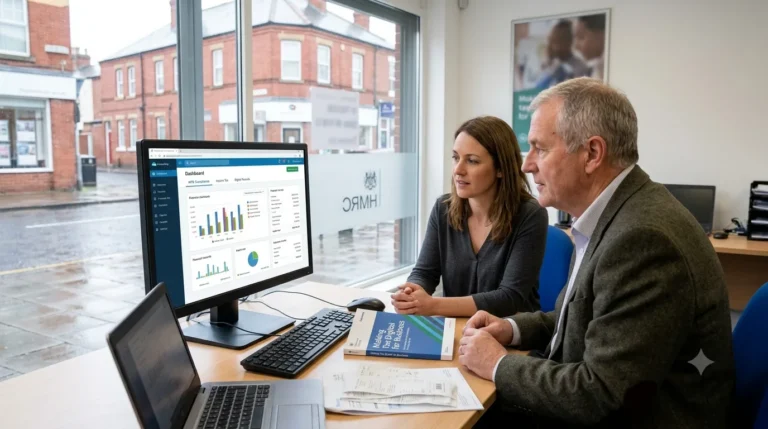
Request the latest financial information directly from Subway and build a site-specific model covering realistic sales, wages, food costs, occupancy costs and debt repayments.
It is also worth speaking to several existing franchisees rather than relying entirely on promotional material.
Pay particular attention to the lease. A restaurant with strong turnover can still produce disappointing returns if rent, business rates and other occupancy expenses are too high.
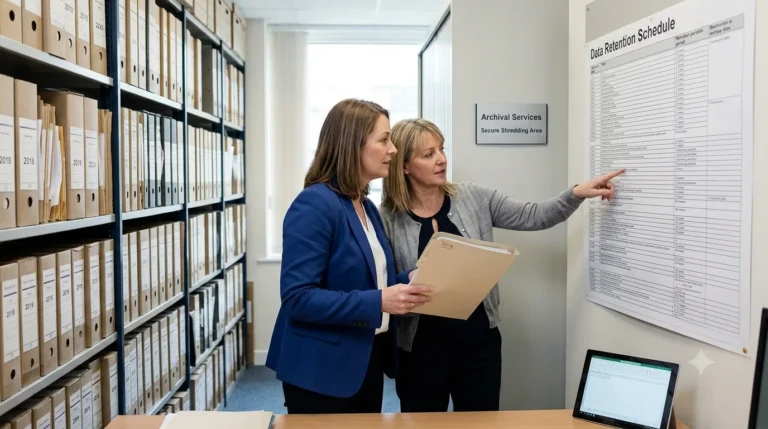
An experienced franchise solicitor should review the franchise agreement and a commercial property solicitor should assess the lease before funds are committed.
The resale route requires additional checks. Review historical accounts, VAT records where available, staffing costs, equipment condition, lease liabilities and any refurbishment that may be required under current design standards.
Is a Subway Franchise Worth Considering in 2026?
Subway offers a recognised brand, established supply arrangements, training and considerably more flexible restaurant formats than many large QSR operators.
However, it should not be treated as an automatically profitable or low-risk investment.
The combination of an 8% royalty and 4.5% marketing contribution means location economics matter enormously. Rent, wages, food costs and finance repayments then have to be covered from the remaining revenue.
The strongest opportunities are therefore likely to be sites where customer demand, lease costs and investment requirements work together rather than locations chosen primarily because the franchise entry price appears affordable.
For serious applicants, the next step should be to obtain Subway’s current investment schedule, build conservative forecasts for a specific location and compare those projections against both new-build and resale opportunities.
FAQs About Subway Franchise Cost UK
How much does a Subway franchise cost in the UK?
Subway’s current UK material is inconsistent. A May 2026 article gives an approximate total investment of £85,000–£220,000, while other official pages say investment starts around £150,000 or £180,000. Applicants should request the latest written figures directly.
What is the Subway franchise fee in the UK?
The newer Subway UK cost material quotes £13,000, although its FAQ currently states £15,000. Use £13,000 only as an initial planning figure and confirm the contractual fee when applying.
Are Subway franchise costs negotiable?
The franchise, royalty and marketing fees are generally fixed contractual costs. Property terms, professional fees, construction and some other third-party expenses may offer more scope for negotiation.
How do Subway build-out costs compare with other QSR brands?
Subway says the scale of its franchise network gives it purchasing advantages for furniture, fixtures and equipment, helping its packages remain competitive. Actual comparisons should still be made on a like-for-like basis because site size and property requirements vary significantly.
What is the purchase price for an existing Subway restaurant?
There is no standard resale price. The buyer and existing franchisee negotiate the amount directly. Subway does not determine the price but must approve the transfer to the new owner.
How much cash do you need to become a Subway franchisee?
Subway says prospective UK franchisees should generally demonstrate approximately £100,000 in liquid assets and £150,000 net worth.
Do you need restaurant experience to own a Subway?
Not necessarily. Subway provides formal training and highlights franchisees from a variety of professional backgrounds. Business discipline, people management and willingness to operate within the franchise system are more important than having spent an entire career in hospitality.
How long does a Subway franchise agreement last?
The standard Subway franchise agreement has a 20-year term. Prospective franchisees should have the complete agreement independently reviewed before signing.
How long does it take to open a Subway restaurant?
Around three to six months may be possible for an advanced opportunity, while Subway’s development FAQ gives six to twelve months for restaurant development depending on the site, construction and approval requirements.
Can you buy an existing Subway instead of building a new one?
Yes. Existing Subway restaurants can be transferred to approved buyers.
A resale may provide established customers, employees and financial history, but the buyer should investigate the lease, trading performance, equipment and refurbishment requirements before agreeing a price.